Aging Is Not Measured by a Number Alone
Age is often used as a simple measure of health risk, but chronological age does not tell you how well your body is functioning.
Two people of the same age can have very different:
-
Muscle strength
-
Walking ability
-
Balance
-
Flexibility
-
Exercise capacity
-
Recovery
-
Mobility
This is why modern approaches to healthy aging increasingly consider functional capacity alongside traditional measures such as blood pressure, cholesterol, and blood glucose.
The World Health Organization (WHO) defines healthy aging around the concept of functional ability—the ability to do the things that matter to a person's well-being. Its framework specifically includes locomotor capacity, including muscle strength, balance, endurance, gait, and joint function.
Why Functional Changes Can Be Missed
Many health evaluations focus on identifying disease.
That is essential, but it does not necessarily answer questions such as:
-
Has your walking speed changed?
-
Are you losing lower-body strength?
-
Is your balance becoming less reliable?
-
Are you recovering more slowly from physical activity?
-
Are everyday movements becoming more difficult?
These changes may occur before a person develops obvious disability.
A routine blood test cannot directly measure whether someone can safely stand on one leg or rise from a chair.
That is where functional assessment can provide additional information.
Strength Is a Measure of Physical Reserve
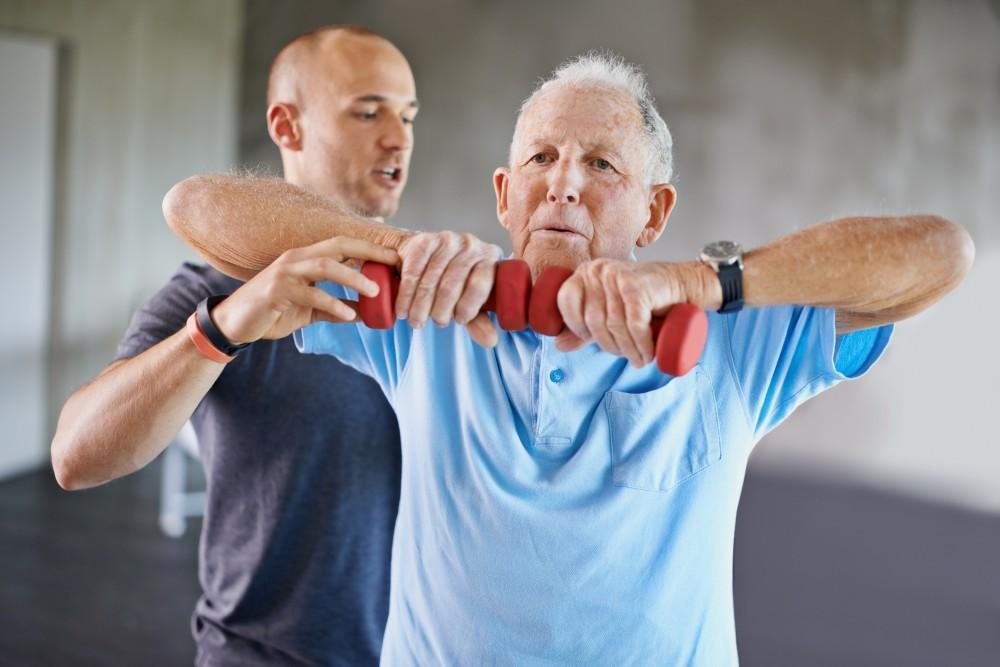
Strength allows the body to perform everyday activities.
It contributes to:
Muscle strength can decline with age, but the rate of decline varies considerably.
Physical inactivity, illness, injury, inadequate nutrition, and chronic health conditions can accelerate loss of physical capacity.
The Centers for Disease Control and Prevention (CDC) recommends that adults 65 and older include muscle-strengthening activities at least two days each week, alongside aerobic and balance activities.
A strength assessment can therefore provide a useful baseline and help identify changes over time.
Strength Is Not the Same as Muscle Size
A person can maintain a relatively stable body weight or appearance while experiencing changes in physical strength.
This is one reason body weight alone is not a reliable measure of physical function.
Functional strength can be assessed through activities such as:
The WHO identifies measures such as grip strength and chair-rise performance as useful indicators of aspects of locomotor capacity.
Balance Is More Complex Than Standing Still
Balance depends on multiple systems working together.
These include:
A person may have normal strength but still experience balance problems.
Early changes may appear as:
-
Holding onto furniture
-
Using stairs more cautiously
-
Feeling unstable when turning
-
Difficulty walking on uneven surfaces
-
Feeling less confident while standing or walking
The CDC identifies balance and strength as important components of physical activity for older adults and fall-risk reduction.
Movement Assessment Looks at How the Body Works Together
Strength and balance are important individually, but everyday movement requires multiple systems to work together.
A movement assessment may examine:
For example, a person may have adequate leg strength but still have difficulty climbing stairs because of limited joint mobility, poor balance, pain, or reduced cardiovascular capacity.
Movement assessment helps identify these relationships.
Small Changes Can Appear Before Major Mobility Problems
Functional decline rarely begins with suddenly being unable to walk.
It often starts with subtle changes.
You may notice:
Stairs Take Longer
You need to stop more often or rely increasingly on the railing.
Getting Out of a Chair Is Harder
You begin using your arms to push yourself up.
Walking Speed Changes
You notice that your usual walking pace has gradually slowed.
Recovery Takes Longer
Activities that once required little recovery now leave you tired for longer.
Activities Are Being Avoided
You stop taking longer walks, carrying heavier objects, or participating in activities you previously enjoyed.
These changes do not automatically indicate disease.
But they can indicate that physical capacity is changing.
Why Assessments Provide More Than a Snapshot
One assessment provides a baseline.
Repeated assessments provide a trend.
For example, if an individual's strength, walking speed, and balance remain stable over several years, that stability can be reassuring.
If those measurements gradually decline, the change may prompt a discussion about:
-
Physical activity
-
Strength training
-
Nutrition
-
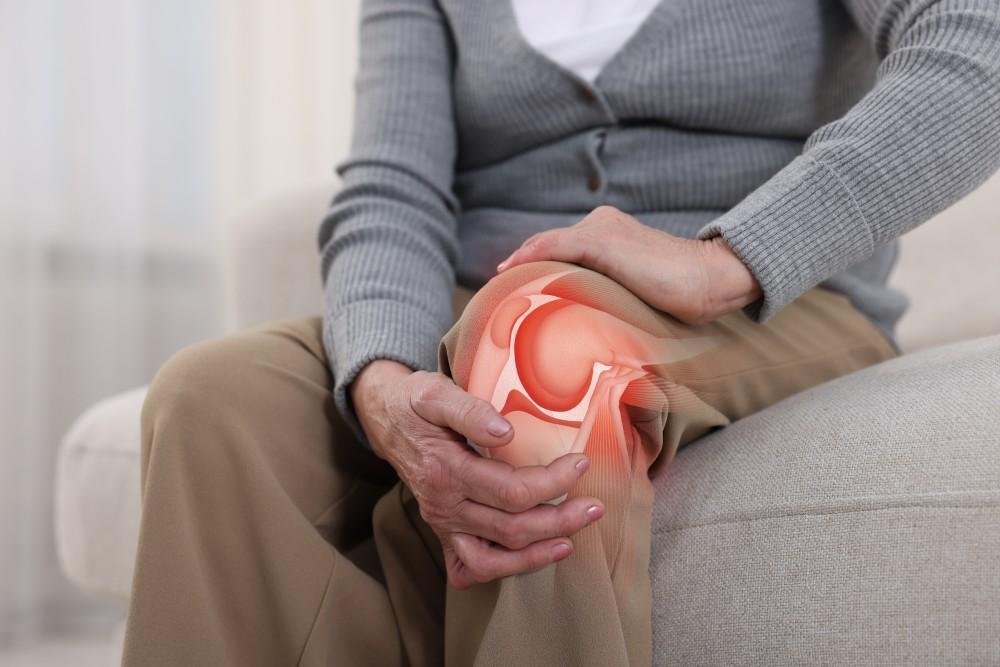
Joint health
-
Neurological symptoms
-
Cardiovascular fitness
-
Medication effects
The goal is not to react to every small variation.
It is to identify meaningful changes early.
Functional Health and Fall Risk
Falls are one of the most important consequences of declining mobility and balance in older adults.
The CDC reports that falls are the leading cause of injury for adults 65 and older and emphasizes exercise programs that improve strength and balance as part of fall prevention.
A balance assessment does not predict with certainty whether someone will fall.
Instead, it can identify physical limitations that may contribute to instability.
That information can help guide appropriate preventive strategies.
Mobility Is Closely Connected to Independence
Mobility affects far more than walking.
It influences whether a person can:
The WHO's healthy-aging framework emphasizes maintaining functional ability because it directly influences independence and well-being.
This makes mobility assessment relevant even when someone does not have a diagnosed musculoskeletal condition.
Why Cardiovascular Fitness Also Matters
Movement limitations are not always caused by muscles or joints.
A person may have adequate strength but become unusually short of breath while walking or climbing stairs.
Reduced exercise tolerance can be influenced by:
-
Cardiovascular health
-
Lung function
-
Anemia
-
Deconditioning
-
Metabolic conditions
-
Medication effects
This is why functional assessment should be interpreted within the broader health picture.
A change in physical performance may sometimes be the first reason to investigate another health system.
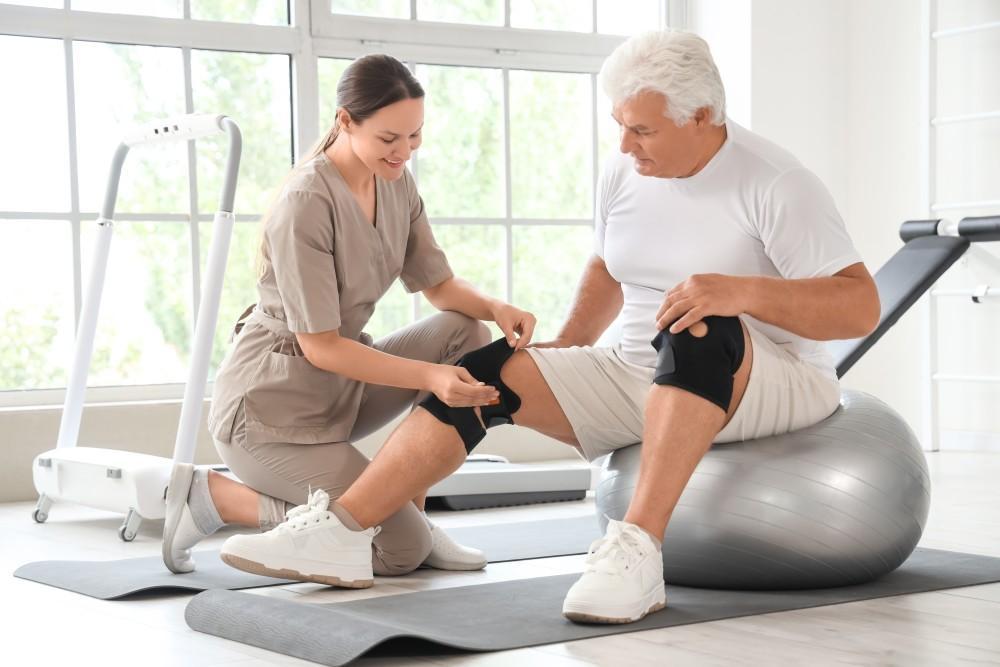
How Assessments Can Guide Exercise
Assessment is most useful when it changes what happens next.
For example:
Reduced lower-body strength → appropriate strengthening program
Balance limitation → balance and stability training
Restricted mobility → targeted mobility work
Reduced endurance → progressive cardiovascular conditioning
Movement asymmetry → further evaluation and targeted intervention when appropriate
The purpose is not to create a score for its own sake.
It is to identify areas where physical capacity can potentially be maintained or improved.
What a Functional Assessment May Include
Depending on the person's age, history, and goals, assessment may include:
Strength
-
Grip strength
-
Lower-body strength
-
Upper-body strength
-
Functional strength
Balance
Mobility
-
Range of motion
-
Gait
-
Walking speed
-
Joint movement
Functional Performance
-
Chair-rise ability
-
Stair performance
-
Walking tolerance
-
Movement transitions
Exercise Capacity
The appropriate combination depends on the individual's circumstances.
Assessments Should Not Be Viewed as Pass or Fail Tests
A functional assessment is not an examination that determines whether someone is “fit” or “unfit.”
Performance is influenced by:
-
Age
-
Previous injuries
-
Medical conditions
-
Training history
-
Body composition
-
Pain
-
Medications
-
Current activity level
The more useful comparison is often against your own previous performance.
A meaningful decline from your personal baseline may be more informative than how you compare with another person.
What Happens When a Functional Change Is Identified?
A change does not automatically mean that treatment is required.
The next step depends on what caused the change.
A clinician may consider:
If pain, weakness, neurological symptoms, or cardiovascular symptoms are present, additional evaluation may be appropriate.
When Should You Consider an Assessment?
A functional assessment can be useful even when you feel healthy, particularly when establishing a baseline.
It may be especially relevant if you notice:
-
Declining strength
-
Increasing stiffness
-
Slower walking
-
Reduced exercise tolerance
-
Balance changes
-
Recurrent falls or near-falls
-
Difficulty with stairs
-
Increasing difficulty performing everyday activities
A sudden change in strength, balance, coordination, speech, or walking ability requires prompt medical evaluation rather than routine functional screening.
Healthy Aging Is About Preserving Capacity
The goal of strength, balance, and movement assessment is not to prevent aging.
It is to understand how the body is aging functionally.
A person may have normal blood pressure, cholesterol, and laboratory results while experiencing gradual declines in strength or mobility.
Conversely, maintaining physical capacity can support independence even as normal age-related changes occur.
The CDC emphasizes that regular physical activity can help older adults maintain independence, improve balance, strengthen muscles, and support overall health.
The Bigger Picture
Health measurements such as blood pressure, cholesterol, and glucose tell us important things about the body's internal environment.
Strength, balance, and movement tell us something different:
How well can the body actually function?
These measurements complement rather than replace traditional medical evaluation.
Together, they can provide a more complete picture of:
-
Physical reserve
-
Functional independence
-
Fall risk
-
Mobility
-
Exercise capacity
-
Changes over time
Key Takeaway
Strength, balance, and movement assessments can reveal changes that may not appear in routine laboratory testing or a standard physical examination.
They can help establish a baseline, identify meaningful changes, and provide information that may guide exercise, rehabilitation, or further clinical evaluation.
Healthy aging is not simply about keeping disease markers within range.
It is also about maintaining the ability to stand, walk, move, balance, recover, and participate in everyday life.
The earlier meaningful changes in physical function are recognized, the more opportunity there may be to understand what is driving them and address modifiable factors.