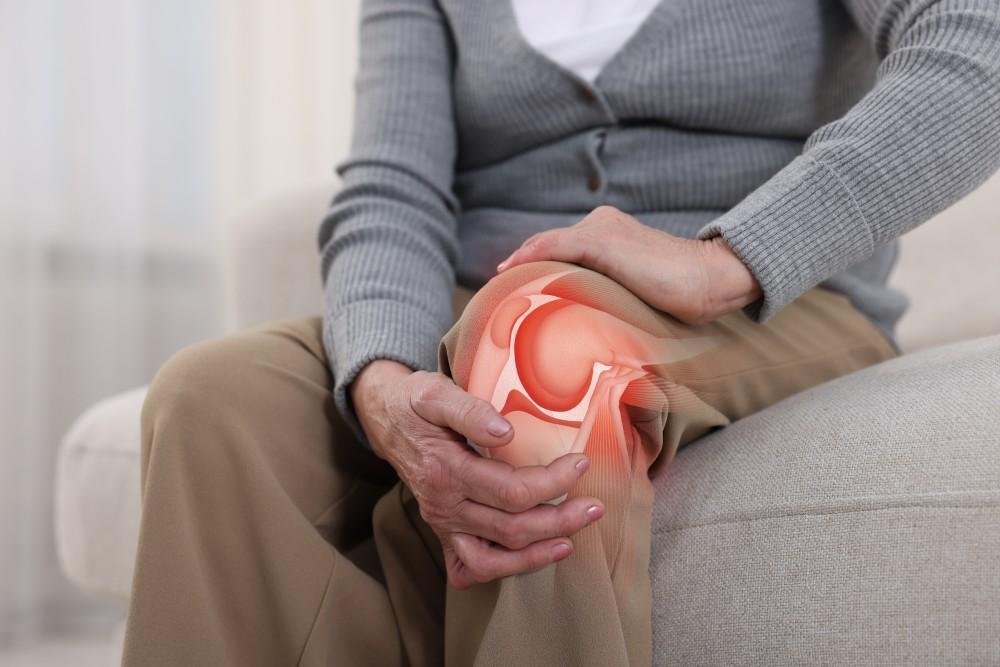
Why Old Injuries Can Feel Different in Winter
If a knee, shoulder, back, or other joint has been injured before, colder months can sometimes make familiar symptoms more noticeable.
That does not necessarily mean the underlying injury has worsened.
Research on weather and musculoskeletal pain is surprisingly inconsistent. A 2024 systematic review and meta-analysis found no consistent association between temperature, humidity, atmospheric pressure, precipitation, and several common rheumatic or musculoskeletal conditions. Other studies, however, have found associations between weather changes and osteoarthritis symptoms in some individuals.
The evidence therefore supports a more cautious conclusion: weather may influence symptoms for some people, but cold weather does not universally cause joint pain or accelerate joint damage.
What May Actually Be Happening?
Several factors can overlap during colder months.
Less Physical Activity
People often become less active when temperatures fall. Outdoor walks become less frequent, exercise routines change, and more time may be spent sitting indoors.
For someone with an existing joint problem, that reduction in movement can contribute to:
The Centers for Disease Control and Prevention (CDC) recommends regular physical activity for people with arthritis because appropriate activity can reduce pain and improve physical function.
Longer Periods of Inactivity
Joints and muscles can feel particularly stiff after prolonged periods of sitting or resting.
Someone may notice more discomfort when first getting out of bed in the morning or standing after sitting for a long period.
The discomfort may improve after gradually moving, which is different from pain that continuously worsens regardless of activity.
Existing Weakness or Limited Mobility
An old injury can leave behind subtle changes in strength, flexibility, balance, or movement mechanics.
For example, someone with a previous knee injury may have reduced strength in the muscles supporting the knee even after the original injury has healed.
When activity decreases during winter, those limitations may become more noticeable.
Does Cold Actually Cause Joint Pain?
This is where the popular explanation becomes more complicated.
A 2024 review published in Seminars in Arthritis and Rheumatism found no consistent relationship between weather conditions and rheumatoid arthritis, knee pain, or low back pain. This suggests that weather alone cannot explain musculoskeletal symptoms for everyone.
Other research has reached different conclusions.
A 2023 systematic review and meta-analysis found associations between certain weather variables and osteoarthritis pain, although the researchers noted that further investigation was necessary.
A 2025 study of people with hand osteoarthritis, meanwhile, found no significant association between pain and temperature, humidity, or atmospheric pressure.
These findings demonstrate why statements such as “cold weather causes arthritis pain” are too broad.
Some people may be weather-sensitive. Others may experience no meaningful change.
Why a Previous Injury May Become More Noticeable
An old injury can change how a person moves even after the initial pain has resolved.
For example, a previous knee injury may result in:
-
Reduced quadriceps strength
-
Altered walking mechanics
-
Limited range of motion
-
Reduced confidence during movement
-
Greater reliance on the opposite leg
A shoulder injury can similarly affect range of motion or muscle coordination.
These changes may not be obvious during normal daily activities. But when activity levels change, the difference may become more apparent.
This is one reason winter symptoms should be considered in the context of the person's overall physical function.
Cold Weather and Stiffness Are Not the Same as Joint Damage
Feeling stiffer does not necessarily mean that the joint has become structurally worse.
Osteoarthritis, for example, involves structural changes within a joint, while pain and stiffness can fluctuate from day to day.
The Arthritis Foundation notes that people with arthritis commonly report weather-related symptom changes, while the evidence does not establish weather as a cause of arthritis progression.
This distinction matters.
A temporary increase in discomfort is different from:
Those changes may warrant clinical evaluation regardless of the weather.
Why Movement Can Matter More Than Temperature
For many people, the most important winter-related change may be what happens to their activity level.
Consider someone who normally walks every day but becomes substantially less active during winter.
Over several weeks, reduced activity may contribute to:
Less movement → reduced conditioning → increased stiffness → greater difficulty moving
This can make an existing joint problem feel worse even if the temperature itself is not directly affecting the joint.
Maintaining appropriate physical activity can help interrupt this cycle.
What Can Help During Colder Months?
Maintain Regular Movement
Low-impact activities can help maintain mobility without placing excessive stress on painful joints.
Depending on the individual's condition, options may include:
-
Walking
-
Cycling
-
Swimming
-
Water exercise
-
Tai chi
-
Strength training
The CDC recommends regular physical activity for adults with arthritis and notes that physical activity can improve pain, function, and quality of life.
Warm Up Gradually
Before more demanding exercise, begin with easier movement and gradually increase intensity.
This can be particularly useful when the body has been inactive or exposed to colder temperatures.
A warm-up might include:
-
Gentle walking
-
Controlled joint movements
-
Light resistance exercises
-
Gradual progression into the planned activity
Maintain Strength
Strengthening the muscles surrounding a joint can help support movement and everyday function.
The appropriate exercises depend on the joint involved, the underlying condition, and the individual's physical capacity.
Avoid Large Activity Swings
Going from several weeks of inactivity directly into intense exercise can place unnecessary stress on muscles and joints.
A gradual return is generally more appropriate.
When Winter Joint Pain Deserves More Attention
Not every increase in winter discomfort requires medical evaluation.
However, it is worth discussing persistent or changing symptoms with a healthcare professional when you experience:
-
Pain that continues to worsen
-
Significant joint swelling
-
Reduced range of motion
-
New weakness
-
Joint instability
-
Difficulty walking
-
Pain that interferes with sleep
-
Increasing difficulty performing everyday activities
These findings may indicate that something more than seasonal stiffness is occurring.
Do Not Automatically Blame New Symptoms on the Weather
A new or substantially different joint symptom should not automatically be attributed to winter.
A hot, red, significantly swollen joint, severe pain following an injury, or sudden loss of function can have causes unrelated to temperature and may require prompt medical evaluation.
Similarly, sudden weakness or neurological symptoms should be treated as a medical concern rather than a weather-related problem.
What Matters More Than the Weather?
For someone with an existing musculoskeletal condition, three questions may be more useful than simply asking whether the weather is cold:
Has my pain changed?
A noticeable and persistent change is worth tracking.
Has my function changed?
Can you still walk, climb stairs, exercise, bend, reach, or perform daily activities as you normally do?
Has my activity level changed?
Have you stopped doing activities because of discomfort or because winter has changed your routine?
These questions help distinguish a temporary change in symptoms from a broader decline in physical function.
The Bigger Picture
The relationship between cold weather and joint pain is real for some people but is not sufficiently consistent to explain musculoskeletal symptoms universally.
Weather may be one factor among several:
Cold temperatures + reduced activity + existing joint changes + muscle conditioning + individual pain sensitivity
For someone with a previous injury, maintaining appropriate movement and strength may be more important than trying to predict how the weather will affect the joint.
The goal is not to ignore seasonal changes in symptoms, but to recognize when those changes are simply temporary discomfort and when they represent a meaningful change in physical function.
Key Takeaway
Cold weather does not automatically mean that an old injury is getting worse.
Some people experience greater stiffness or pain during colder periods, but research suggests that the relationship between weather and musculoskeletal symptoms varies considerably between individuals and conditions.
What deserves greater attention is a persistent change in pain, mobility, strength, swelling, or function.
If an old injury starts behaving differently, it may be useful to look beyond the weather and consider what has changed in the joint, the surrounding muscles, activity level, and overall physical health.